Hard Water, Cold Weather Pose a Threat to DFW Water Heaters
Projected January and February freezes cause strain, burst tanks in local homes DALLAS, TX, UNITED STATES, October 29,
Press Release Disclaimer: This is a press release distributed through the XPR Media network. It has not been independently verified by our newsroom.
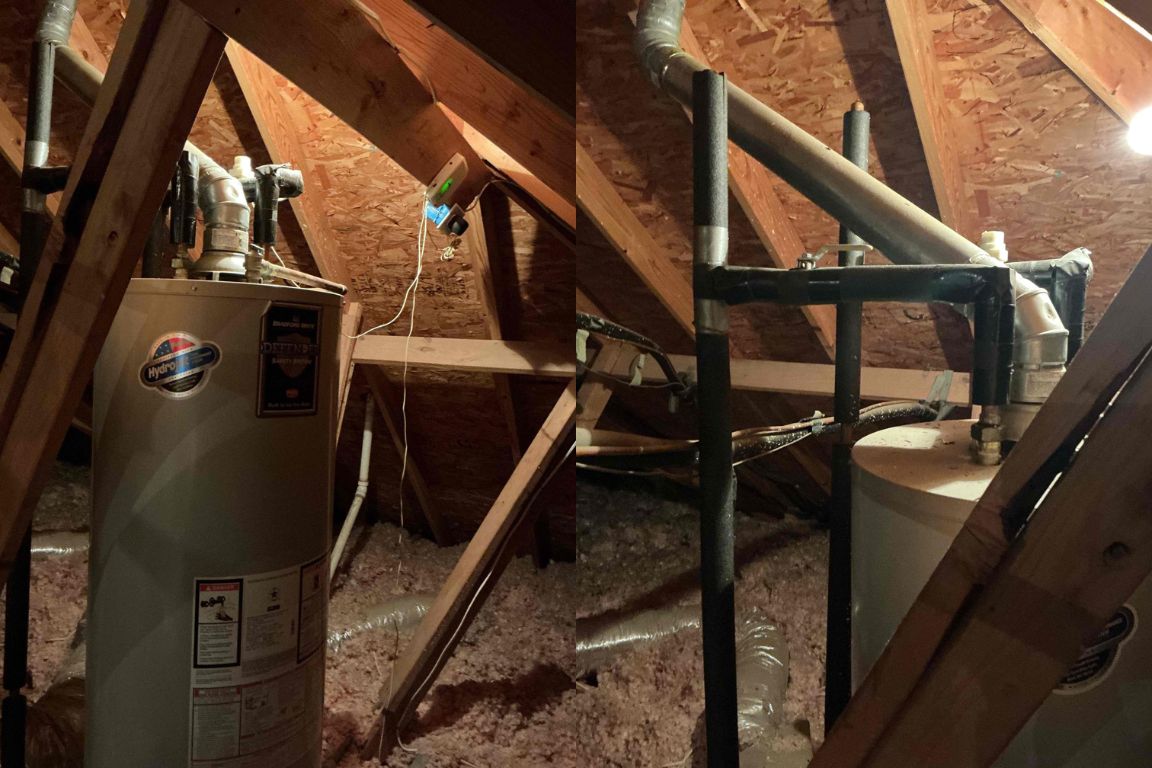

Projected January and February freezes cause strain, burst tanks in local homes
DALLAS, TX, UNITED STATES, October 29, 2026 /EINPresswire.com/ — As meteorologists predict a stronger El Niño and freezing January temperatures in the DFW Metroplex this winter, residents should pay close attention to their water heater tanks.
Recent water reports show that cities across North Texas have hard water. Incoming water supply from sources like Dallas Water Utilities (DWU) and the North Texas Municipal Water District (NTMWD) is rich in minerals like calcium.
While these elevated mineral levels are normal for the Dallas-Fort Worth Metroplex, the mix of hard water and dropping water temperatures creates a major flood risk for residential water heater tanks.
“All year long, hard water enters your water heater tank,” explains Responsible Master Plumber Steven Smith of Mother Modern Plumbing (RMP-43457). “The calcium in the water settles out and forms a layer at the bottom of the water heater tank.”
Smith states these minerals crust over the heating elements of home water heater systems. When winter arrives and temperatures drop, the incoming city water gets much colder. The water heater has to burn hotter and work longer to reach the desired water temperature.
However, the thick layer of calcium rock blocks the heat. This traps intense heat at the very bottom of the tank. This extreme stress can crack the glass inside the tank, eventually causing the bottom to break open. These burst water heater emergencies flood the utility closet or garage.
HOMEOWNERS CAN TAKE PREVENTATIVE MEASURES
Smith outlines three key steps DFW homeowners with conventional water heater tanks should take as winter approaches.
The first step is to listen to the tank itself. Smith advises homeowners to stand near their running water heater. If it sounds more like a coffee pot than a water heater, take note.
“Homeowners often hear a popping or rumbling sound from their water heater in November and December,” says Smith. “That’s not a normal sound. It is the sound of water boiling under a heavy layer of hard calcium rock.”
The age of a residential water heater is also of note. Smith encourages homeowners to check the manufacturer sticker on the tank itself.
“If your tank is 8-10 years old or older, it’s at a higher risk of bursting during freezing temperatures,” he advises. “If you’re hearing those popping sounds in an older unit, definitely don’t ignore that.”
The third step homeowners should consider is performing an annual water heater flush. This maintenance task involves draining water from the tank to flush out loose sediment rock before the winter cold begins.
“If you’re not exceptionally handy, it’s best to schedule a flush with your plumber,” Smith notes. “Especially if your tank has a plastic valve- it can snap off and cause a flood.”
Dallas-Fort Worth residents concerned about the age and condition of their water heater tank should call a licensed plumber before the first winter freeze. Smith notes Mother Modern Plumbing’s 24/7 plumbing emergency hotline is available 365 days a year for water heater appointments.
Matthew Silkwood
Mother Modern Plumbing
+1 979-220-1702
Visit us on social media:
LinkedIn
Instagram
Facebook
YouTube
Legal Disclaimer:
EIN Presswire provides this news content “as is” without warranty of any kind. We do not accept any responsibility or liability
for the accuracy, content, images, videos, licenses, completeness, legality, or reliability of the information contained in this
article. If you have any complaints or copyright issues related to this article, kindly contact the author above.

Media gallery